Vaša košarica je trenutno prazna!
-
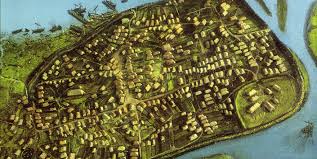
138 – Death of Roman Emperor Hadrian On July 10, 138, Roman Emperor Hadrian passed away at his villa in Baiae, Italy, marking the end of a sixteen-year reign . Known for consolidating and fortifying the Roman Empire, Hadrian traveled extensively throughout his realm. He commissioned major constructions like Hadrian’s Wall in Britain and rebuilt the Pantheon in Rome.…
-
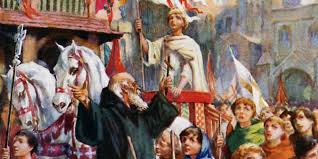
Introduction: A Crusade Led by Children? In the year 1212, one of the most puzzling and heartbreaking stories of the medieval period unfolded—the Children’s Crusade. According to many historical accounts, thousands of European children set off with the belief that their innocence and faith could peacefully reclaim the Holy Land. These crusaders, many no older…
-
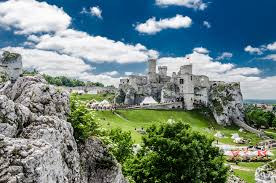
Introduction: A Castle Frozen in Time Perched dramatically atop white limestone cliffs in the Jura Krakowsko-Częstochowska region of southern Poland, Ogrodzieniec Castle is one of the most striking ruined fortresses in Europe. This medieval stronghold has witnessed centuries of war, legends, and architectural splendor. Though in ruins today, its haunting presence and panoramic views continue…
-
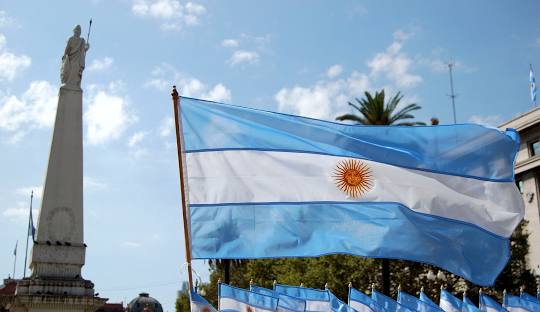
1609 – Bohemia Granted Religious Freedom (Letter of Majesty) On July 9, 1609, Emperor Rudolf II issued the Letter of Majesty, granting religious freedom to Protestant nobles in the Kingdom of Bohemia. This significant decree allowed worship and built churches for Hussites and Lutherans, reducing sectarian tensions. It marked a watershed in the religious conflicts of the…
-
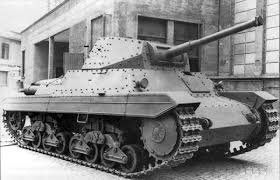
Introduction: A Struggle in the Sand During World War II, North Africa became a critical battleground. While German forces under Erwin Rommel gained a reputation for tactical brilliance, their Italian allies often struggled, especially when it came to armored warfare. Italian tanks in Libya were plagued by mechanical issues, poor design, and unsuitability for the…
-
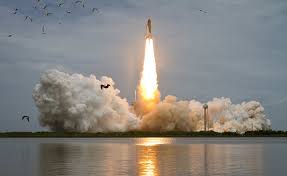
1497 – Vasco da Gama Sets Sail from Portugal On July 8, 1497, Portuguese explorer Vasco da Gama departed Lisbon with a fleet of four ships—including the São Gabriel and São Rafael—on a mission to reach India via the Cape of Good Hope. This expedition achieved the first direct sea route from Europe to Asia, changing global…
-
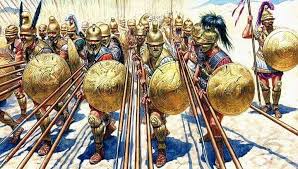
Introduction: The Legend of the Tireless Soldiers The Macedonian phalanx, made famous by Philip II and Alexander the Great, is known for its formidable spear formations, disciplined tactics, and unbreakable unity. One of the most enduring stories about these ancient warriors is the claim that Macedonian phalangites trained by marching 60 kilometers in full armor—a…
-
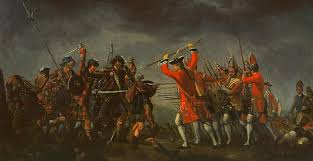
1124 – Siege and Fall of Tyre On July 7, 1124, Crusader forces successfully captured the city of Tyre after a 19-week siege during the First Crusade. The victory secured a vital port on the Mediterranean coast and bolstered the Kingdom of Jerusalem’s control over the Levant. Tyre’s strong fortifications and strategic island defenses made…
-
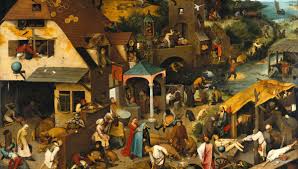
Introduction: A Dirty Reputation That Isn’t Entirely True The Middle Ages are often portrayed as filthy, disease-ridden, and lacking all sense of hygiene. Popular media has painted medieval people as smelly peasants who never bathed and lived among dirt, rats, and waste. But how accurate is this image? In reality, many people in the medieval…
-
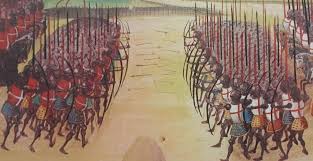
Introduction: The Weapon That Defined English Warfare The British longbow, also known as the English longbow, is one of the most iconic weapons in medieval history. Revered for its deadly range, power, and speed, the longbow played a crucial role in major battles such as Crecy (1346), Poitiers (1356), and the legendary Battle of Agincourt…
 HR
HR  EN
EN